 Listicle
Which Organic Supplements Are Best for Active Lifestyles?
Last Updated: November 17, 2026
Quick Summary
The best organic supplements for active lifestyles are a small, well-chosen stack of three or four products rather than a shelf full of bottles. Match each product to your training load, diet and health goals, starting with a multivitamin and adding protein, probiotics or calcium as needed.
- Most active adults need three or four products, not ten.
- Men training four or more times a week can choose a whole-food multivitamin with vitamin D, B vitamins, zinc and omega-3.
- Take fat-soluble vitamins D and K with a meal containing fat.
- Separate iron and magnesium by a few hours because they compete for absorption.
- Check for an ACO or NASAA certifier logo and an AUST L number before buying.
Table of Contents
- Quick Comparison: Best Organic Supplements for Active Lifestyles
- Best Supplements for Active Adults: The Shortlist
- Organic Supplements for Energy and Recovery
- How to Choose Organic Supplements: Certification, Testing and Labels
- Dosage, Timing and Who Should Seek Clinical Advice
- How to Store Supplements So They Keep Their Potency
- Matching a Supplement to Your Activity and Diet
- Stocking Your Pantry with Organic Supplements
- Frequently Asked Questions
Quick Comparison: Best Organic Supplements for Active Lifestyles
Finding the best organic supplements for active lifestyles comes down to matching a product to your training load, diet and health goals. A common pattern is that people buy a multivitamin, add a protein powder, then wonder why they still feel flat. The fix is a small, well-chosen stack rather than a shelf full of bottles.
Below is our shortlist. We've kept it tight because most active adults need three or four products, not ten.
| Product | Best For | Key Nutrients | Format |
|---|---|---|---|
| Garden of Life Organics Men's Multivitamin | Active men | Vitamin D, all 8 B vitamins, zinc, omega-3 | Tablet |
| Garden of Life Organics Women's Multivitamin | Active women | B-complex, vitamin D, zinc, organic produce blend | Tablet |
| Ora Organic Plant-Based Modern Multivitamin | Plant-based diets | Algae-sourced vitamins, antioxidants | Tablet |
| Garden of Life Dr. Formulated Probiotics Once Daily Women's | Gut health and recovery | 50 billion CFU, 16 strains, prebiotic fibre | Capsule |
| Garden of Life Vitamin Code Raw Calcium | Bone density | Algae calcium, vitamin D3, vitamin K2 | Capsule |
You can browse the full vitamins and minerals range to compare beyond this shortlist.
Best Supplements for Active Adults: The Shortlist
Each supplement below is chosen for a specific reason, and the trade-offs are noted, because a supplement that suits a marathon runner may be wasted on someone who walks the dog and does two gym sessions a week.
Garden of Life Organics Men's Multivitamin
This formula is designed for men training four or more times a week, with vitamin D, B vitamins, zinc and omega-3 fatty acids.
Check the product label for the nutrient amounts per serve before buying. For current prices, visit the My Health Pantry website.
Best for: active men wanting whole-food micronutrient cover. Skip if: you already take a separate vitamin D and B-complex.
Garden of Life Organics Women's Multivitamin
Women training hard have different micronutrient demands, particularly around iron and B vitamins. This formula leans on a B-complex for sustained energy and includes organic fruit and vegetable powders, vitamin D and zinc for immune support.
Check the product label for its non-GMO and gluten-free status, and note that it works best with daily consistency.
Best for: active women wanting comprehensive daily cover. Skip if: you need a higher-dose iron supplement, which should come from a practitioner.
Ora Organic Plant-Based Modern Multivitamin
For anyone on a plant-based diet, check the label for the vitamin sources and ingredient list to see whether the formula suits your needs.
Best for: plant-based athletes and vegans. Skip if: budget is your primary concern.
Garden of Life Dr. Formulated Probiotics Once Daily Women's
Gut health sits underneath everything else: nutrient absorption, immune function and recovery. Check the product label for the CFU count, strain list, storage instructions and whether refrigeration is required. Keep it away from heat and moisture, so don't leave it in a hot car.
Best for: women prioritising digestion and recovery. Skip if: you're male and want a strain profile matched to you.
Garden of Life Vitamin Code Raw Calcium
Bone health rarely gets attention until something hurts. Check the product label for the calcium source, vitamin D3 and K2 content and the full ingredient list.
Athletes doing high-impact work, runners especially, benefit most. The capsules are large, which some people find awkward to swallow.
Best for: runners and impact-sport athletes. Skip if: you struggle with large capsules.
Organic Supplements for Energy and Recovery
Energy and recovery support comes from B vitamins, magnesium, iron and protein, not from stimulants alone.
B vitamins. The eight B vitamins act as coenzymes in energy metabolism, which is why a multivitamin covering all eight is a sensible base.
Magnesium. Magnesium supports muscle contraction and relaxation, and low intake is common in people who sweat heavily or eat few leafy greens and nuts.
Iron. Iron carries oxygen to working muscles, so low iron shows up as persistent fatigue, breathlessness on stairs, or poor recovery.
Protein and amino acids. Protein rebuilds tissue after training. Protein needs vary between individuals, so speak to a healthcare professional about the amount suited to you.
Creatine. Creatine monohydrate is a performance supplement that is widely studied for short, high-intensity efforts. Speak to a healthcare professional about appropriate dosing.
What the evidence does not strongly support. Many recovery products, branched-chain amino acids, glutamine, and most "detox" blends, have limited evidence for healthy active adults eating enough protein.
If your training load is high, shop energy-boosting supplements and pre-workout options to support performance and recovery around sessions.
Watch out: iron and magnesium compete for absorption when taken together, so separate them by a few hours if you take both.
How to Choose Organic Supplements: Certification, Testing and Labels
Choosing organic supplements means checking certification, independent testing and the label's actual nutrient forms, not just the word "natural" on the front. Because the same care with labels matters when choosing support for demanding workdays, Global Phytoplankton can be considered alongside the ingredients and claims that shape an energy supplement’s fit.
In Australia, organic claims are backed by certifiers accredited under the National Standard for Organic and Bio-Dynamic Produce. The logos you are most likely to see on supplement labels are Australian Certified Organic (ACO), NASAA Certified Organic, and BioGro New Zealand for imported products.
Third-party testing is a separate layer. Organic certification does not guarantee that a product is free from heavy metals, pesticide residues or microbial contamination, because organic farming can still encounter environmental contaminants.
A simple checklist before you buy:
- Certified organic logo from an accredited certifier (ACO, NASAA or equivalent)
- Certification scope stated, whole formula or single ingredient
- Every nutrient listed with a dose per serve
- No undisclosed proprietary blends
- Batch-level heavy-metal and microbial testing available
- Expiry date and batch number printed clearly
- Storage instructions on the label
- Manufacturer contact details on pack
The Therapeutic Goods Administration regulates how supplements are listed and labelled here, so check that a product carries an AUST L number. An AUST L number confirms the product is listed with the TGA; it is not an endorsement of organic status or efficacy.
Watch out: a product can be labelled "organic" without carrying any certifier logo if the claim is not made in a way that triggers the standard, so treat the logo as the evidence, not the word.
Dosage, Timing and Who Should Seek Clinical Advice
Dosage and timing depend on the nutrient, your diet and your training schedule, and there is no single schedule that fits everyone. Take fat-soluble vitamins like D and K with a meal containing fat, and split calcium and iron across the day because they compete for absorption.
Follow the directions on the pack for timing, as this varies between products. Protein is best spread across the day rather than dumped into one shake.
Seek clinical advice if you are pregnant, breastfeeding, managing a chronic condition, taking prescription medication, or preparing for surgery. Iron in particular should not be taken at high dose without a blood test confirming deficiency. If you have a digestive condition, speak to your practitioner before adding probiotics.
How to Store Supplements So They Keep Their Potency
Heat, light and moisture destroy supplement potency faster than most people realise. The kitchen bench beside the stove is the worst place in the house for a bottle of capsules.
Store products in a cool, dark cupboard away from the oven, kettle and dishwasher. Keep them in the original container with the lid sealed.

Watch out: probiotics and fish-oil products degrade quickly in heat, so check the label for refrigeration guidance and never store them in a hot car or gym bag for long periods.
Matching a Supplement to Your Activity and Diet
Matching a supplement to your lifestyle is the step most people skip, and it's why so many stacks underdeliver. A strength athlete and a weekend cyclist have different needs, and a vegan has different gaps from a heavy meat eater.
Strength training: prioritise protein, creatine and vitamin D. Endurance work: focus on iron, B vitamins and electrolytes. Plant-based diets: watch B12, iron, zinc and omega-3, and choose algae-sourced options. Gut issues: a probiotic plus a food-based multivitamin is a sensible base.
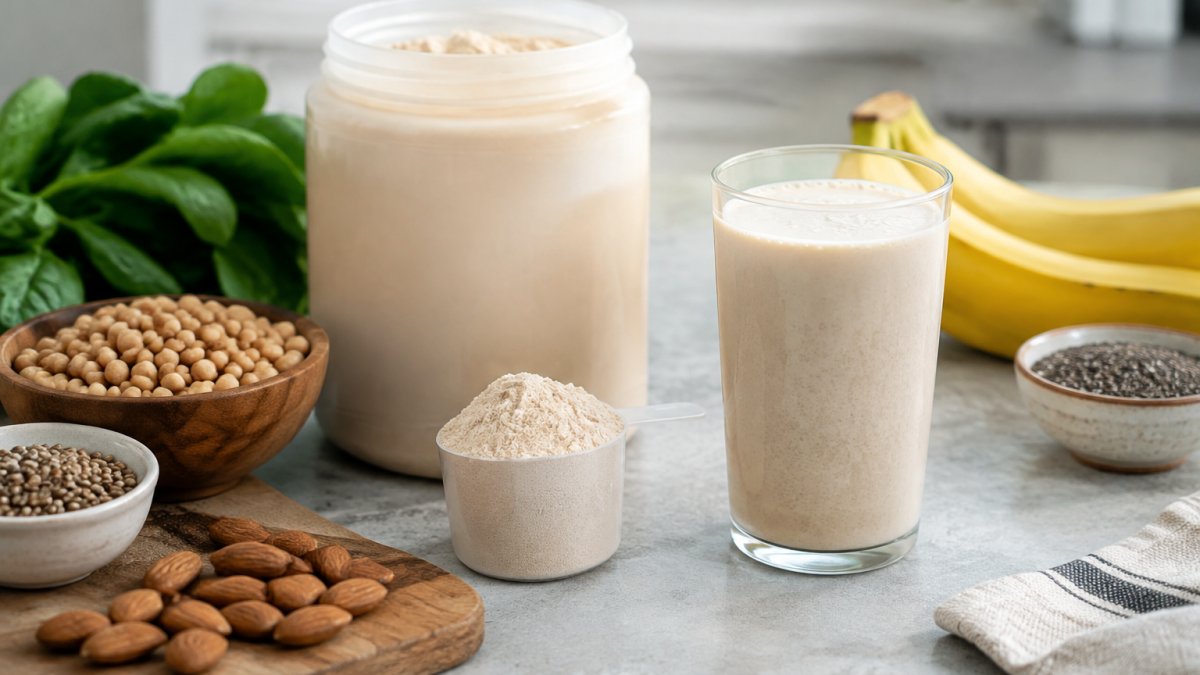
If you're new to protein powders, our guide to the best organic protein powder for beginners walks through types, doses and timing before you commit to a tub.
Stocking Your Pantry with Organic Supplements
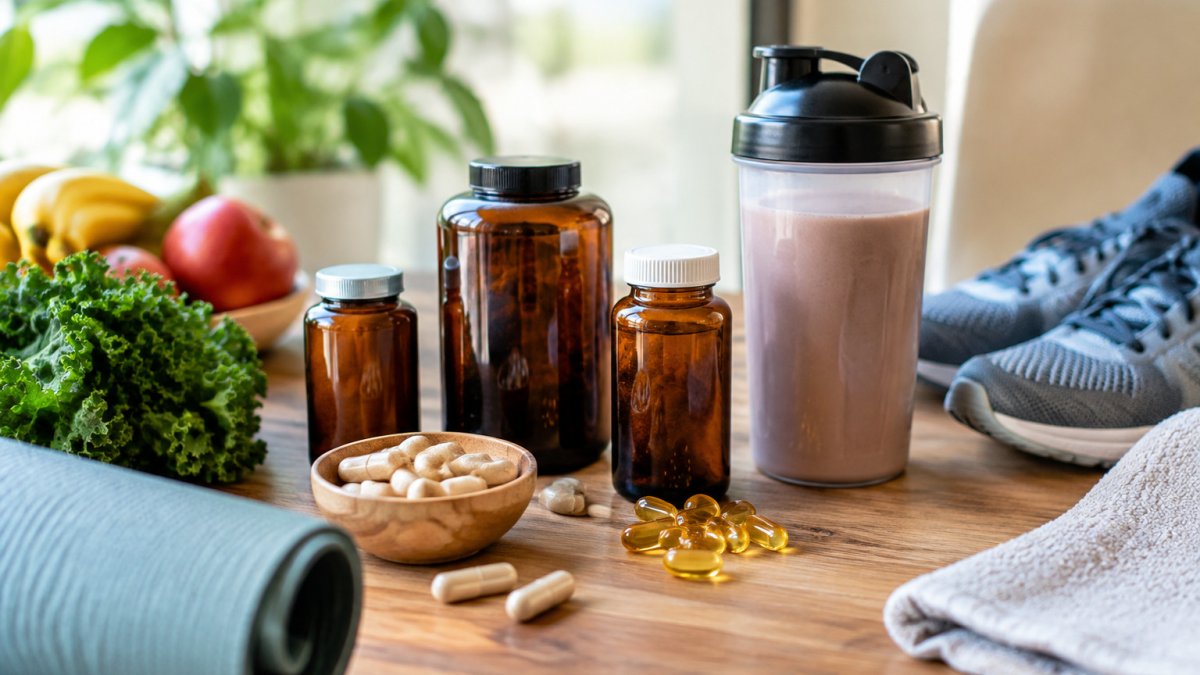
Build your pantry in layers, not all at once. Start with a multivitamin, add protein if your diet falls short, then layer in probiotics or calcium based on your training and health picture. Buy smaller sizes first to check tolerance.
Keep a simple inventory so you don't double up on the same nutrient across products, and rotate stock so older bottles get used first. Buying from a retailer with strict quality control and genuine stock rotation matters more than chasing the cheapest listing.
To round out your shelf, browse super greens as a simple way to add plant-based nutrients to a busy day.
The hardest part isn't finding supplements, it's choosing a small stack you'll actually take consistently. My Health Pantry stocks a wide range of organic, natural and sports supplement brands with strict quality control and testing, and we work directly with manufacturers so you get premium products at discounted prices every day. Get started with My Health Pantry and build a supplement routine that supports your training, recovery and long-term health.
Frequently Asked Questions
What supplements are best for an active lifestyle?
Most active adults benefit from covering the basics first: a certified organic multivitamin for vitamins and minerals, vitamin D3 for bone health, magnesium for muscle function, and adequate protein for muscle repair. If you train hard, creatine and omega-3 are well studied for strength and recovery. Organic supplements for energy, such as B vitamins and iron, matter most if a blood test shows you are low. Start with a multivitamin and add single nutrients only where your diet or test results show a gap.
Are organic supplements better than conventional supplements?
Organic certification tells you how ingredients were grown and processed, not that the product works better. What matters most is dose, absorbable forms and independent testing. Certified organic options often avoid synthetic fillers and use whole-food bases, which suits people who want a cleaner label. Compare the actual nutrient amounts per serve, look for a certified organic mark and check whether the brand publishes batch testing. A well-tested conventional product can outperform a poorly dosed organic one.
What should I look for when choosing an organic supplements brand?
Check four things: a recognised organic certification on the label, the nutrient dose per serve against the recommended daily intake, the form of each nutrient (for example vitamin D3 rather than D2, or magnesium glycinate for tolerance), and any statement about batch testing or quality control. Also read the allergen and additive list. If a label lists a proprietary blend without amounts, you cannot judge the dose. Buy from retailers that store products correctly and can confirm authenticity.
How should organic supplements be stored?
Keep bottles sealed, in a cool dark cupboard away from the stove, kettle and dishwasher, since heat and steam degrade vitamins. Refrigeration is only needed when the label says so, such as some probiotics. Avoid the bathroom cabinet because of humidity. Write the opening date on the bottle, finish liquids and probiotics within the stated window, and discard anything that changes colour, smell or texture. Store supplements out of reach of children and keep the desiccant sachet inside the bottle.