 How-to
7 Ways to Identify Authentic Supplement Brands
Last Updated: November 15, 2026
Quick Summary
To identify authentic supplement brands, run six quick checks: a price far below every other seller, misspelled or blurry print, a crooked or missing seal, no batch code, cheap packaging, and no ingredient list in the local language. Then match the batch code to a certificate of analysis and confirm the certification in the certifier's own directory.
- Most counterfeit products fail at least one of the six warning signs you can check in under two minutes.
- A certificate of analysis must name the product, batch number, laboratory, test methods and test date.
- Match the batch code on the certificate to the code stamped on your bottle before trusting it.
- Search the certifying program's public directory for the brand, product and facility to verify a certification mark.
- If you suspect a fake, stop using it, keep the packaging and batch code, then report it to the TGA.
Table of Contents
- Why Authentic Supplement Brands Matter More Than Ever
- How to Spot Fake Supplements: 6 Warning Signs
- How to Read Supplement Labels Like a Pro
- What Third-Party Tested Supplements Actually Prove
- How to Verify a Brand's Testing Claims and Certificates
- How to Buy Supplements Safely Online
- What to Do If You Suspect a Product Is Counterfeit
- Shop Authentic Supplement Brands at My Health Pantry
- Frequently Asked Questions
Why Authentic Supplement Brands Matter More Than Ever
Learning how to identify authentic supplement brands is the single most important skill you can build as a supplement buyer.
The stakes are higher than most shoppers realise.
Here is the uncomfortable truth most guides skip: counterfeiters have gotten very good. They copy packaging, clone seals, and print convincing labels.
Below, we walk you through a practical verification workflow, from the first glance at a bottle to the moment you decide whether to buy.
Therapeutic Goods Administration guidance on complementary medicines
How to Spot Fake Supplements: 6 Warning Signs
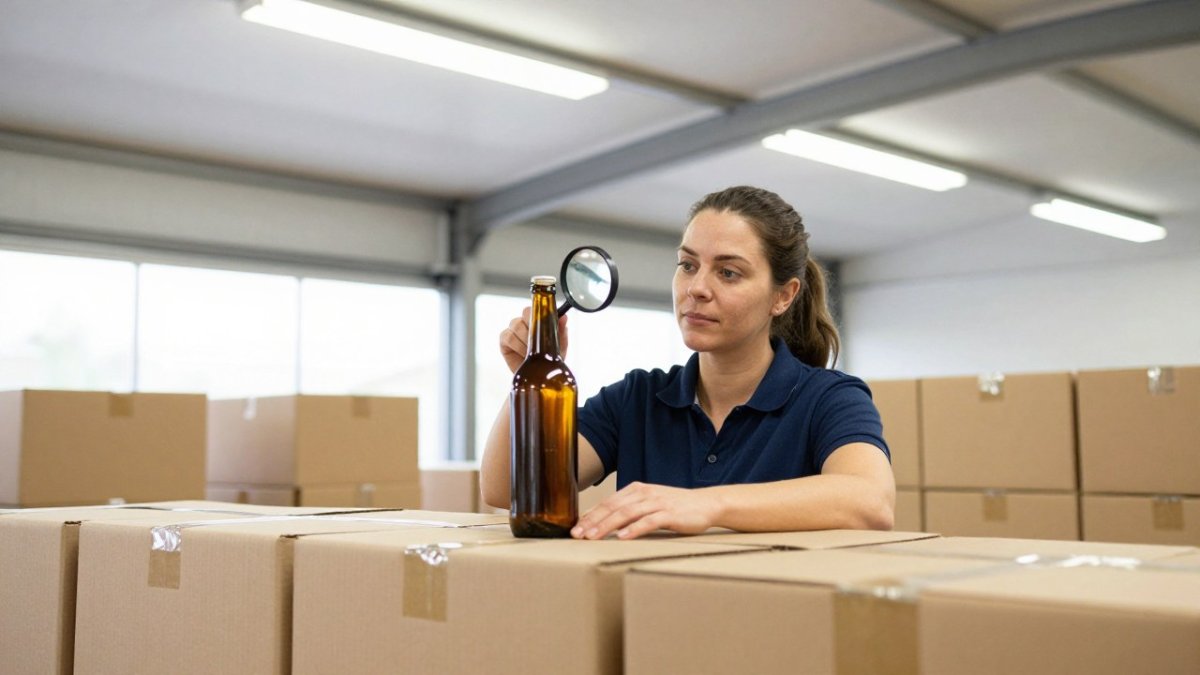
Spotting a fake supplement starts with six checks you can run in under two minutes. Most counterfeit products fail at least one of them.
Counterfeiters rely on speed. They want you to grab the bottle and go. Slow down, and the flaws start to show.
- Price that is far below everyone else. Deep discounts are a red flag when no other seller matches them.
- Misspelled words or blurry print. Genuine labels are crisp and consistent.
- A seal that looks off. Crooked, loose, or missing tamper-evident seals are a warning.
- No batch code or lot number. Real products always carry one.
A common mistake is judging a product by its bottle alone. Fakes often reuse genuine bottles and refill them.
Packaging and Seal Red Flags
Look closely at the seal before you open anything. A tamper-evident seal should be intact, snug, and printed cleanly.
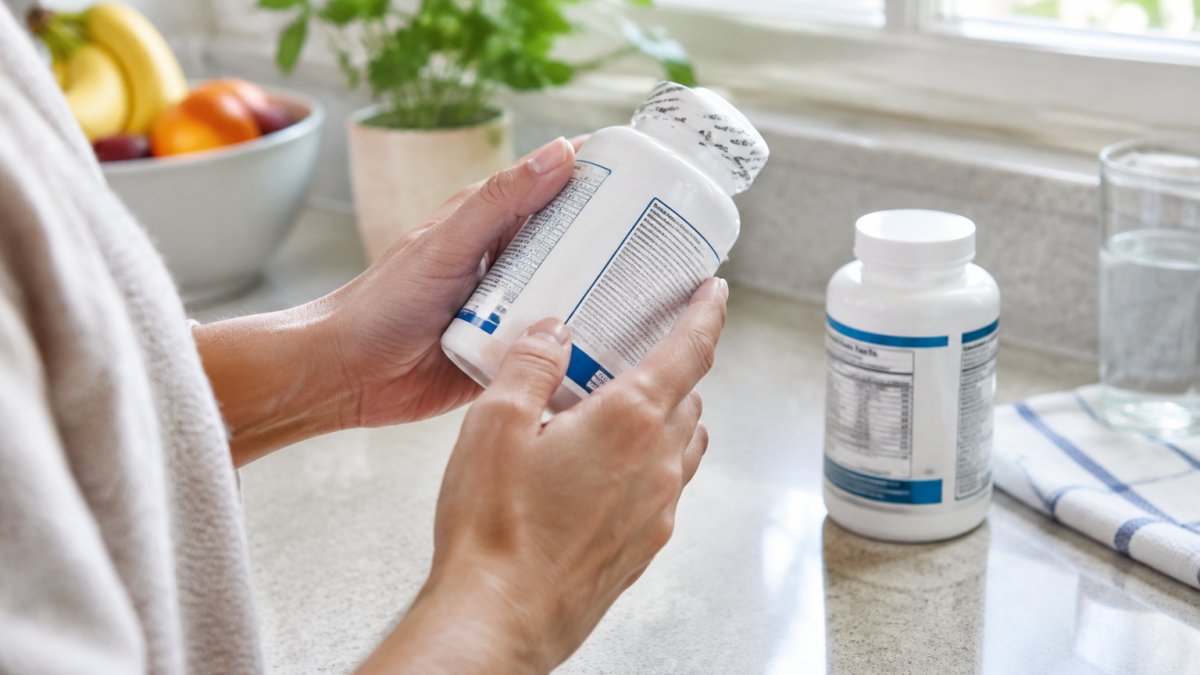
Check the print quality under good light. Genuine labels use sharp text and consistent colour. Counterfeit labels often have fuzzy edges, uneven ink, or a slightly wrong shade.
Watch out: a perfect-looking box means nothing if the seal has been resealed. Look for glue residue, wrinkles, or a second layer of tape.
Batch Codes, Serial Numbers and QR Checks
Every genuine product carries a batch code or lot number, usually stamped on the base or side of the bottle.
Many brands now add a QR code or verification code. Scan it with your phone and check that the result matches the bottle in your hand.
Run these six checks before you buy, most counterfeit products fail at least one.
| Warning sign | What to look for |
|---|---|
| Price far below everyone else | Deep discounts no other seller matches |
| Misspelled words or blurry print | Labels should be crisp and consistent |
| A seal that looks off | Crooked, loose, or missing tamper-evident seals |
| No batch code or lot number | Real products always carry one |
| Packaging that feels cheap | Thin bottles and dull colours |
| No ingredient list in local language | Legitimate imports carry compliant labels |
How to Read Supplement Labels Like a Pro
Reading a supplement label properly means checking three things: the ingredient list, the strength of each ingredient, and whether the label claims match what testing would show.
Start with the ingredient list. Genuine labels name every active ingredient and its exact amount.
Then look at ingredient strength. A label that lists an ingredient but not its dose tells you nothing useful.
Ingredient Identity, Strength and Label Accuracy
Ingredient identity means the label names the actual substance inside, not a vague substitute. Label accuracy means the amounts printed match the amounts in the bottle.
These two things are what testing exists to confirm. Without them, a label is just a promise.
Check for a clear manufacturer name and address. A product with no traceable maker is a product you cannot verify.
What Third-Party Tested Supplements Actually Prove
Third-party tested supplements prove that an independent lab checked a specific batch for identity, strength, and purity.
That distinction matters. A certificate covers the batch that was tested. It is a snapshot, not a permanent badge.
Independent testing typically checks for:
- Ingredient identity, to confirm what is in the bottle
- Potency, to confirm the amounts match the label
- Heavy metals and contamination
- Microbial safety
If you want to see how a brand presents clinically tested, practitioner-grade products, you can explore the Metagenics range and compare how the claims are documented.
How to Verify a Brand's Testing Claims and Certificates
Verifying a testing claim takes more than finding a logo on a label.
- Find the certificate of analysis, not just the seal. A genuine certificate names the product, the batch or lot number, the laboratory that ran the test, the test methods used, and the date of testing. A brand page that shows only a badge, a stock photo of a lab, or a generic "third-party tested" statement is making a claim, not showing evidence.
- Match the batch number. The certificate must reference the same batch code stamped on your bottle. A certificate for a different batch tells you nothing about the product you hold. If the brand publishes only one certificate for an entire year of production, treat that as a limited snapshot rather than ongoing verification.
- Confirm the laboratory. A real certificate identifies the testing laboratory by name. Where the lab operates an accredited testing program, you can check its scope of accreditation through the issuing body. A certificate that names no lab, or names a lab you cannot find, is not verifiable.
- Check the date and the formulation. Certificates age. Confirm the test date falls within the batch's production window, and confirm the certificate covers the exact formulation and pack size you bought. Brands often reformulate; an old certificate may cover a product that no longer matches the label.
- Verify the certification in the certifier's own directory. This is the step most guides skip. If a product carries a certification mark, go to the certifying program's own website and search its public directory for the brand, product, and facility. Certification is granted to a specific site and a specific scope, not to a brand name in general. A mark that cannot be found in the certifier's directory is either misused or out of date.
- Separate certification from a testing claim. Certification means an accredited certifier has assessed a facility or product against a defined standard and continues to audit it. A brand's own statement that it "tests every batch" is a claim about the brand's internal process, not independent certification. Both can be legitimate, but they prove different things, and only one involves an outside party you can check.
Watch out: a certificate that lists only a handful of tests, identity and potency, for example, does not confirm heavy-metal, microbial, or contaminant testing. Read the scope of the certificate rather than assuming it covers everything.
A brand page that spells out its ingredient standards, sourcing, and testing scope is a good sign. You can browse the Orthoplex White label range to see how a brand documents its researched ingredients and the standards behind them.
Therapeutic Goods Administration guidance on complementary medicines
How to Buy Supplements Safely Online
Buying supplements safely online comes down to one rule: buy from sellers who can prove where the stock came from. Price and convenience come second.
Online marketplaces host both genuine sellers and fakes side by side. That does not make marketplaces bad, but it means you have to check the seller, not just the product.
Checking Sellers, Supply Chains and Authorised Retailers
Start with the seller's reputation. Look for a real business address, clear contact details, and a track record.
Then check the supply chain. Authorised retailers buy directly from manufacturers or approved distributors.
Watch out: a seller who cannot tell you where the stock came from is a seller to avoid.
When you are ready to buy, shop Australian made vitamins from a source that can trace its stock.
What to Do If You Suspect a Product Is Counterfeit
If you suspect a product is counterfeit, the order of your actions matters. Stop using it, preserve the evidence, then report through the right channels.
Here is the sequence we recommend:
- Stop taking the product immediately. Do not finish the bottle to "use it up". If you have already taken some and feel unwell, treat that as a health matter first.
- Preserve the evidence. Keep the bottle, the outer packaging, the seal remnants, and the receipt or order confirmation. Photograph the batch code, the label, and the seal before you store them. Do not clean the packaging or remove the batch stamp.
- Contact the manufacturer or brand directly. Most established brands have a consumer enquiry channel and want to know about suspected fakes. Give them the batch code and where you bought it. They can confirm whether the batch is genuine and whether the seller is authorised.
- Report the seller to the platform. If you bought through an online marketplace, use its report function and describe the product and seller. Platforms act on patterns of complaints, so a single report can contribute to a wider removal.
Watch out: a refund or replacement from the seller is not the same as a report.
One honest limit: no verification method is perfect. A convincing fake can pass a visual check, and a cloned verification code can lead to a counterfeit page.
TGA's reporting portal
Shop Authentic Supplement Brands at My Health Pantry
We stock many organic, natural, and sports supplement brands, all backed by strict quality control.
You can browse Caruso's Natural Health for Australian-made vitamins and herbal complexes, or explore the Designs for Health range for quality-focused products.
The supplement market rewards shoppers who slow down and check. Verify the batch code, read the label, confirm the seller, and ask for the certificate.
Frequently Asked Questions
How can you tell if a supplement brand is authentic?
Start with the basics: buy from an authorised retailer, check that the tamper-evident seal is intact, and confirm the batch or lot number is printed clearly rather than stuck on a sticker. Then verify the brand itself through the Therapeutic Goods Administration (TGA) register, which lists products that have been assessed or listed for supply in Australia. A genuine brand will also publish a physical business address, a working customer service contact, and testing information you can actually verify rather than a vague badge on the homepage.
Do third-party certifications prove a supplement is authentic?
No. Certification programs confirm that a specific batch was tested for things like heavy metals, microbial contamination or banned substances, and that the manufacturing site follows good manufacturing practices. They do not confirm that the bottle in your hand is genuine. A counterfeiter can print a certification logo on a fake label. Treat certification as one layer of evidence, then verify the certificate directly with the certifying body and match the batch number on the certificate to the batch number on your product.
Is it safe to buy supplements from online marketplaces?
It can be, but the risk is higher because marketplace listings mix authorised stock, grey imports and outright counterfeits under one search result. Before buying, check whether the seller is listed as an authorised retailer by the brand, read the seller's recent reviews for complaints about packaging or expiry dates, and confirm the listing shows a batch number and expiry date. Choose a retailer that can show where its stock comes from before you buy.
What should you do if you suspect a supplement is counterfeit?
Stop taking it immediately and keep the product, packaging and receipt as evidence. Report the issue to the retailer in writing, then lodge a report with the TGA, which handles complaints about therapeutic goods supplied in Australia. If you experienced an adverse reaction, see a healthcare professional and ask them to help you report it. Finally, check whether the brand lists an authorised seller verification process, since many manufacturers will confirm whether a batch number matches their records.